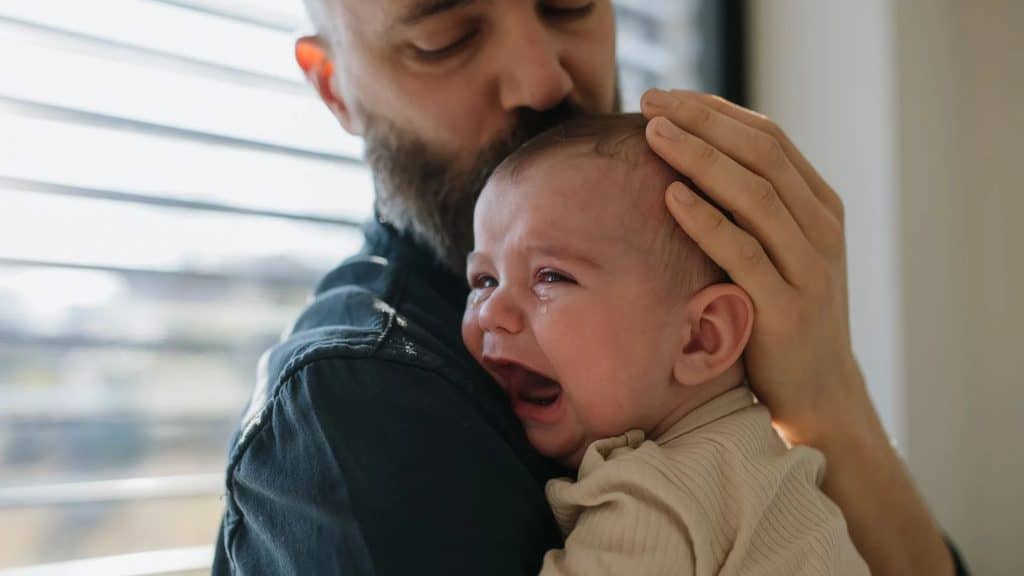
Babies cry. A lot. But that’s simply because crying is one of their primary means of communication. They haven’t mastered speech yet, so they cry for everything from hunger to the discomfort caused by gas. This is completely normal, but it can also make it difficult to know when something is truly wrong with your little one. So how can you tell? The pediatricians at The Baton Rouge Clinic and Affinity Health can help parents recognize potential warning signs and understand what to do if their baby’s fussiness seems more concerning.
Common Reasons Babies Cry
Before assuming something is wrong, remember that crying is a normal part of infant development. Babies cry to communicate a variety of needs, and sometimes the reason is simple (though no less upsetting as a parent!):
Common causes of fussiness include:
- Hunger: Babies may cry when they need to eat. Look for early hunger cues, such as putting their hands near their mouths, rooting, or sucking.
- Gas: Babies can swallow air during feeding, which may contribute to discomfort. Burping your baby during and after feeds may help.
- Overtiredness or overstimulation: Babies may become fussy when they are tired or have had too much activity, noise, or stimulation. A quiet environment and gentle soothing may help them settle.
- Other basic needs: A wet or dirty diaper, being too hot or cold, or simply needing comfort can also cause crying.
Try checking your baby’s hunger cues, burping them during and after feeding, changing their diaper, and creating a calm environment when they seem overstimulated or tired. Gentle rocking or holding may also help.
If crying continues despite these efforts or if your baby seems unusually distressed, contact your pediatrician.
When Fussiness Could Signal a Medical Issue
Many common causes of fussiness can be addressed at home. You feed your baby, and they settle down; you burp them, and they seem more comfortable; or you place them in a calm environment, and they eventually relax.
However, crying that is persistent (not stopping), unusually intense, or difficult to soothe may indicate that something more serious is going on, especially if your baby is not usually fussy. Here are three potential medical concerns to watch for:
1. Ear Infections
Ear infections can cause discomfort and irritability in babies because inflammation and pressure in the ear may be painful. Parents might notice that their baby’s crying seems more intense, is harder to soothe, or occurs alongside difficulty sleeping or feeding.
Although some babies pull at their ears when experiencing discomfort, ear pulling alone does not confirm an infection. Parents should watch for other symptoms, including fever, irritability, and cold-like symptoms that may occur before or alongside an ear infection.
If your baby’s crying is persistent or accompanied by other symptoms, contact your pediatrician for an evaluation.
2. Reflux
Another issue that may contribute to infant fussiness is reflux. Reflux occurs when milk or stomach contents flow back into the esophagus after feeding.
Some babies spit up frequently without experiencing significant discomfort, while others may show signs of distress around feeding. Although reflux is common in infants, persistent discomfort, feeding difficulties, or poor weight gain should be evaluated by a pediatrician.
If your baby experiences forceful vomiting, blood in their spit-up, difficulty breathing, persistent distress, or refuses feeds, seek prompt medical evaluation. These symptoms should not automatically be attributed to reflux, as other medical conditions may need to be considered.
3. Fever and Illness
Just like adults, babies may feel uncomfortable when they are sick. However, crying is often one of the only ways they can communicate that something is wrong.
Babies who have a fever or another illness may become unusually fussy, sleepy, or less interested in feeding. During cold and flu season, parents should also watch for congestion, coughing, breathing changes, and other new symptoms.
A temperature of 100.4°F (38°C) or higher in a baby younger than 3 months requires immediate medical evaluation. Contact your healthcare provider right away rather than waiting to see whether the fever resolves.
Your baby’s crying alone cannot determine what is truly wrong, so a pediatrician should evaluate persistent, unusual fussiness or crying accompanied by other concerning symptoms.
Know When to Call the Pediatrician
Not every bout of crying is cause for concern, but recognizing warning signs can help parents determine when their baby needs medical attention.
Contact your pediatrician if you notice:
- Inconsolable crying: Crying that persists and cannot be soothed, particularly when it is unusual for your baby.
- Behavioral changes: Changes in feeding, sleeping, or overall behavior that occur alongside persistent crying.
- Age-related concerns: Persistent crying, poor feeding, or other concerning symptoms in newborns and young infants may require more prompt medical attention.
- Physical symptoms: Fever, vomiting, fewer wet diapers, breathing changes, unusual sleepiness, or signs of pain that accompany fussiness.
Seek emergency medical care if your baby has difficulty breathing, develops blue or gray coloring, is difficult to wake, or experiences a seizure.
For babies younger than 3 months, a temperature of 100.4°F (38°C) or higher requires immediate medical evaluation.
What Parents Can Do While Seeking Answers
When your baby is crying uncontrollably and you feel unable to comfort them, it can be an incredibly helpless and frustrating experience. Remember that if you ever feel overwhelmed, it is important to take a moment to calm yourself and get support.
Place your baby on their back in a safe crib or bassinet with a firm, flat mattress and no loose blankets, pillows, or stuffed animals. Step away briefly to take a few deep breaths, and ask someone you trust, such as your partner, a close friend, or a family member, for help.
Never shake your baby, no matter how frustrated you feel. Shaking can cause severe, permanent brain damage or even death.
Actions you can take while seeking answers include documenting your baby’s behavior, including feeding times, the number of wet diapers, their temperature, and any other symptoms you notice. This information can greatly help your pediatrician when evaluating your baby.
Visit Your Baby’s Pediatrician for Excessive Crying
Fussiness is not always a sign of a sick baby, but if your baby’s crying is persistent, unusual, or accompanied by other symptoms, it’s best bring them in for an evaluation
If you’re searching for a trusted pediatrician for your baby, contact the pediatricians at The Baton Rouge Clinic and Affinity Health. Our team understands that caring for babies requires a thoughtful, compassionate approach, with attention to each child’s unique needs and concerns.
Our pediatricians and staff are committed to working alongside parents to provide personalized care, answer questions, and help families navigate their children’s health concerns.
To make an appointment, call (225) 246-9290 or request an appointment online. The teams at Baton Rouge Clinic and Affinity Health are here to help you and your baby get the care, guidance, and support you need.