In your 40s, you’re doing it all—managing your household, caring for young children, becoming a caretaker to your aging parents, and barreling full-steam ahead in your career. The one thing you aren’t doing is visiting the doctor. Let’s be honest, when was the last time you actually saw your primary care provider for an annual exam? If the answer is anything other than you just saw your doc last year and you have an upcoming appointment set with them now, you’re skipping out on the one main thing that can keep you healthy well into your golden years.
You may argue that you feel fine—great, even—and that there’s is no need to go to the doctor if you aren’t feeling bad, but there are many health concerns that develop silently and slowly over time. The primary care teams at The Baton Rouge Clinic and Affinity Health want to help you understand the importance of visiting your primary care provider regularly in your 40s and what issues may occur if you don’t.
What Changes After 40?
Recent research suggests that people tend to experience a cluster of biological changes around their 40s rather than gradual shifts spread evenly over time. During this stage of life, researchers have observed noticeable changes in molecules linked to how the body processes things like alcohol and caffeine, as well as those involved in fat (lipid) metabolism, heart health, skin, and muscle function.
When these internal changes happen alongside common midlife stressors (such as caregiving responsibilities, work pressure, and less time for self-care), they can contribute to a higher risk of conditions like high blood pressure, high cholesterol, Type 2 diabetes, heart disease, certain cancers, weight management challenges, and sleep problems.
The Value of a Relationship with a Primary Care Physician
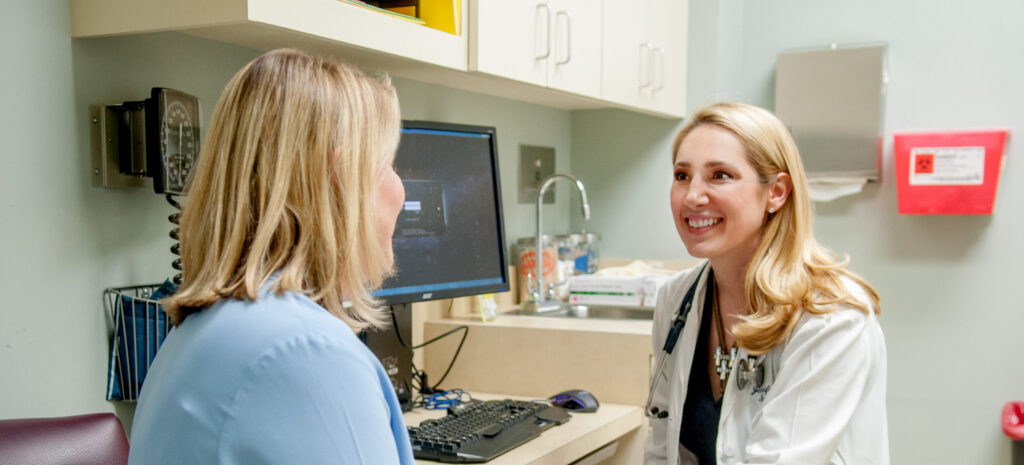
A primary care physician can help you navigate the changes that occur as we age by working closely with you to track your health trends over time. They get to know you deeply and understand your health history, making sure to always keep a close eye on family health patterns that may affect your health over time. Your primary care doctor can coordinate specialty care if needed and can offer a variety of tests and screenings to ensure that your health stats are positive. These types of appoints also offer the opportunity to talk about and implement lifestyle changes, such as losing weight or managing your stress, resulting in better outcomes for both your mental and physical health.
Preventive Care Can Catch Problems Early
The only way to know if there’s a problem is to either wait until the symptoms are so bad that they are obvious (definitely not the route you want to take) or to get screened early and often. It’s important to receive annual physicals that measure your baseline health data like your blood pressure and weight, and to get any screenings or vaccinations your doctor may recommend.
Common screenings include cholesterol testing, diabetes screenings, and cancer screenings, such as those for colorectal cancer and breast cancer. These screenings are so important, as instances of both colorectal cancer and breast cancer jump significantly in people over the age of 40. Recent research also shows that yearly blood pressure checks after you turn 40 are critical for maintaining overall health. Fortunately, many of these issues—including high blood pressure, high cholesterol, diabetes, and even cancer—can be effectively treated or managed with early intervention.
Small Changes Add Up
Feeling good in your 40s is both common and meaningful. It’s a sign that your body is functioning well and supporting your day-to-day life the way it should. To keep that going long-term, it helps to take a proactive approach to health before problems arise. Over time, small shifts in lifestyle and routine care can make a real difference in how you continue to feel in the years ahead.
A primary care provider can help guide that process by recommending practical, manageable steps, whether that’s quitting smoking, improving nutrition, increasing physical activity, or finding better ways to manage stress. Paired with regular screenings and check-ins, these habits help support sustained health and make it more likely that you continue feeling your best well into the future.
Establish Care With Our Primary Care Team Today
Now that you understand the importance of regular visits to your primary care provider, it’s time to get your appointment scheduled. Whether you’re due for an annual wellness visit, managing chronic conditions, or simply looking to establish care, the primary care teams at The Baton Rouge Clinic and Affinity Health Group provide preventive care and personalized guidance designed to support long-term health as you age. Request your appointment online today, or call us at (225) 246-9240 for The Baton Rouge Clinic or (318) 807-4900 for Affinity Health in Monroe.