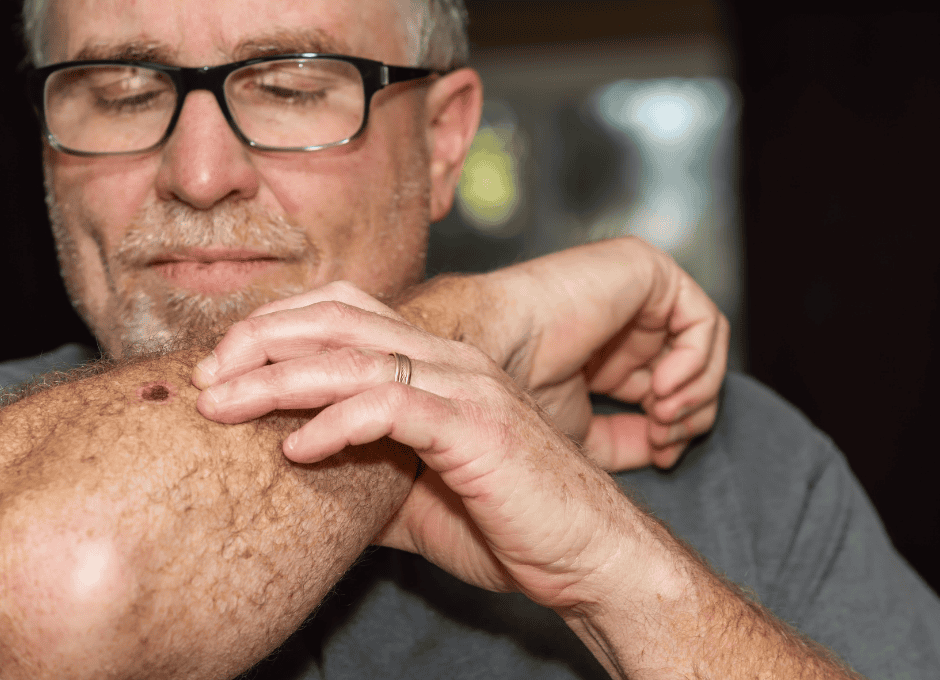
You’ve probably had that moment: you’re putting on lotion, shaving, or getting dressed and notice a spot on your skin you don’t remember seeing before. When did that get there? Has it always looked like that?
Discovering new moles as we age is common. They form when melanocytes, the pigment-producing cells in your skin, multiply and appear on the surface. Most moles are harmless, but some changes to your skin shouldn’t be ignored.
That’s why the dermatology team at The Baton Rouge Clinic encourages patients to stay aware of their skin and seek expert evaluation when something looks or feels off. Knowing what to watch for can make all the difference.
What to Watch For
While many skin changes are benign, certain signs may indicate a mole is abnormal and should be evaluated by a dermatologist.
Skin cancer is the most common cancer in the United States, with more cases diagnosed each year than all other cancers combined. Early detection is key, and recognizing warning signs can help you take action sooner.
Dermatologists often use the ABCDE rule to evaluate moles:
- Asymmetry – One half doesn’t match the other
- Border – Edges are irregular, jagged, or blurred
- Color – Uneven or multiple shades
- Diameter – Larger than 6 mm (about the size of a pencil eraser)
- Evolving – Changes in size, shape, or color over time
In addition to the ABCDEs, other symptoms should prompt a visit to a provider at The Baton Rouge Clinic:
- Bleeding or oozing
- Persistent itching or discomfort
- Rapid growth compared to other moles
- Non-healing spots that repeatedly scab or reopen
- “Ugly duckling” moles that look noticeably different from others on your body
If you notice any of these signs, it’s important to have your skin evaluated sooner rather than later.
Common Misconceptions About Skin Cancer
Despite skin cancer being a common medical issue (and one that can be quite dangerous if left untreated), misconceptions still prevent many people from taking it seriously.
Myth: A base tan protects your skin from sunburn.
Fact: A tan is actually a sign of skin damage. This damage accumulates over time and increases your risk of skin cancer. The vast majority of skin cancers are linked to UV exposure.
Myth: I don’t spend much time in the sun, so I’m not at risk.
Fact: Sun exposure happens in everyday moments like driving, running errands, or sitting near windows. UVA rays can penetrate glass and still damage your skin.
Myth: Young people don’t get skin cancer.
Fact: Skin cancer can affect people of all ages. In fact, melanoma is one of the most common cancers in adults under 49.
Myth: Skin cancer only develops on sun-exposed areas.
Fact: Certain types, like acral lentiginous melanoma (ALM), can develop on the palms, soles, or under nails. While rare, it’s more commonly diagnosed in people of color and requires a trained medical eye to detect.
The providers at The Baton Rouge Clinic emphasize that understanding these realities is an important step in protecting your long-term skin health.
Who Is Most at Risk?
Anyone can develop skin cancer, but some individuals have a higher risk than others. These include:
- People with fair skin
- Individuals who use tanning beds or frequently tan
- Those with a family history of skin cancer
- People who have experienced multiple sunburns
Even if you don’t fall into one of these categories, it’s still important to monitor your skin and schedule routine evaluations. Skin cancer does not discriminate, and early detection remains critical for everyone.
Why Skin Checks Matter (and What to Expect)
Regular skin checks are one of the most effective tools for catching skin cancer early (when it’s most treatable).
Each year, thousands of people are diagnosed with melanoma and other forms of skin cancer. When detected early, outcomes are significantly better, which is why the dermatology team at The Baton Rouge Clinic prioritizes preventive care and routine screenings.
A full-body skin exam is:
- Quick – typically completed in about 15 minutes
- Non-invasive – no downtime or recovery required
- Comprehensive – covering everything from your scalp to the soles of your feet
During your visit to The Baton Rouge Clinic, your dermatologist will carefully examine your skin for any concerning spots. If something stands out, they may document it for monitoring or perform a biopsy for further evaluation.
How to Prepare For Your Appointment:
- Avoid wearing makeup, nail polish, or jewelry
- Remove any bandages or skin coverings
- Wear your hair loose so your scalp can be examined
These simple steps help ensure your provider can perform the most thorough evaluation possible.
Prevention Tips for Healthier Skin
While not all skin cancers can be prevented, there are steps you can take to significantly reduce your risk:
- Wear sunscreen daily, even on cloudy days or when you’re mostly indoors
- Choose protective clothing, like hats, sunglasses, and long sleeves
- Avoid peak sun hours between 10 a.m. and 4 p.m.
- Perform monthly self-checks to stay familiar with your skin
Building these habits into your routine can help you catch changes early and protect your skin over time.
Take the Next Step with The Baton Rouge Clinic
Skin cancer is common, but it’s also highly treatable when caught early.
If you’ve noticed a new or changing mole, or if it’s simply been a while since your last skin check, the dermatology team at The Baton Rouge Clinic is here to help. Their board-certified physicians combine experience, advanced technology, and a patient-focused approach to deliver thorough, personalized care.
Don’t wait for a small concern to become a bigger one. Schedule your skin evaluation today by requesting an appointment online or calling (225) 246-9240. With The Baton Rouge Clinic, you can feel confident you’re taking a proactive step toward protecting your skin and your overall health.